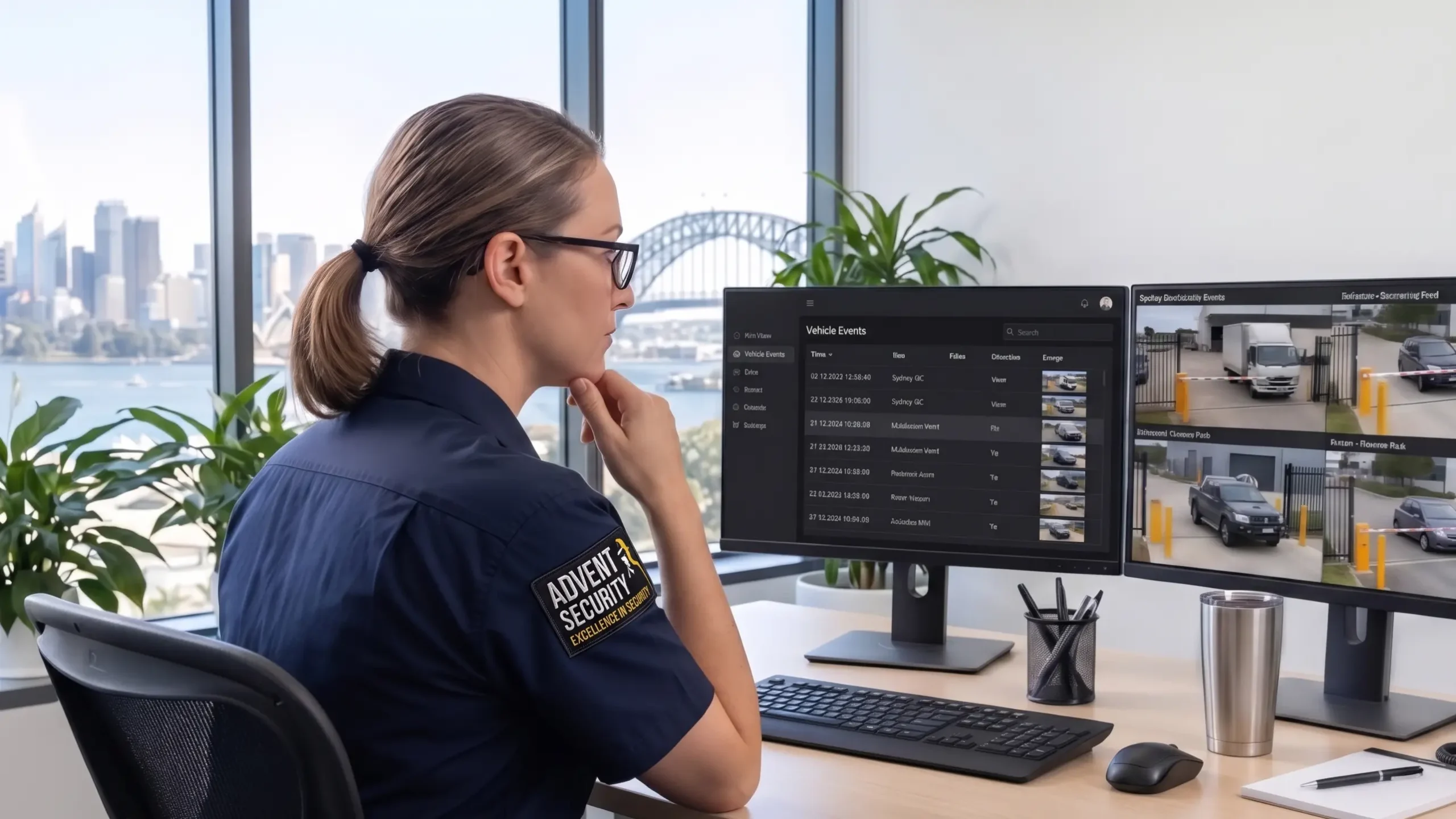
LPR / ANPR uses cameras and software to read vehicle number plates and turn those reads into useful information for access, monitoring and event review.
Advent Electronics designs, installs and supports licence plate recognition solutions for commercial and industrial environments, with the camera, read point, processing and integration selected around the way vehicles actually move through the property.
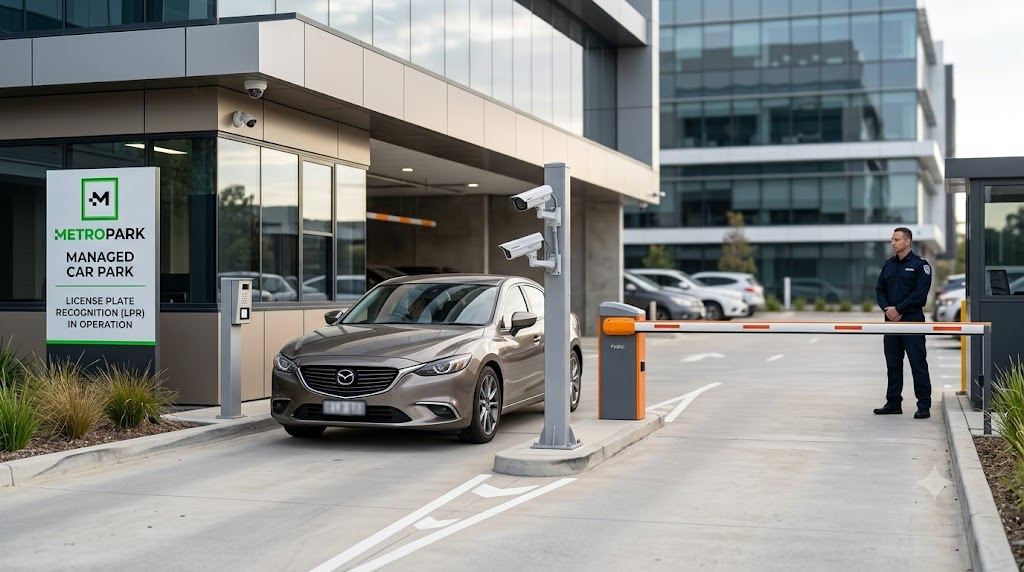
A conventional CCTV system can show a vehicle arriving. Licence plate recognition can add structured information to that event such as the recognised plate, time and location and, depending on the selected platform, associated imagery or other vehicle information.
Check whether a particular vehicle appeared on site.
Review entry and exit chronology where event data is available.
Use camera or location information to understand where the vehicle was observed.
Apply authorised or restricted vehicle rules where supported.
Use the vehicle event alongside CCTV footage and other security information.
ANPR is technology that uses cameras and software to capture vehicle number plates, recognise the characters and turn the result into structured data that can be searched, matched or used to trigger configured actions.
Licence Plate Recognition (LPR) and number plate recognition are also commonly used terms for the same general technology. The important distinction is that an ANPR camera is selected and configured around the read point, rather than simply being a standard CCTV camera pointed at a driveway.
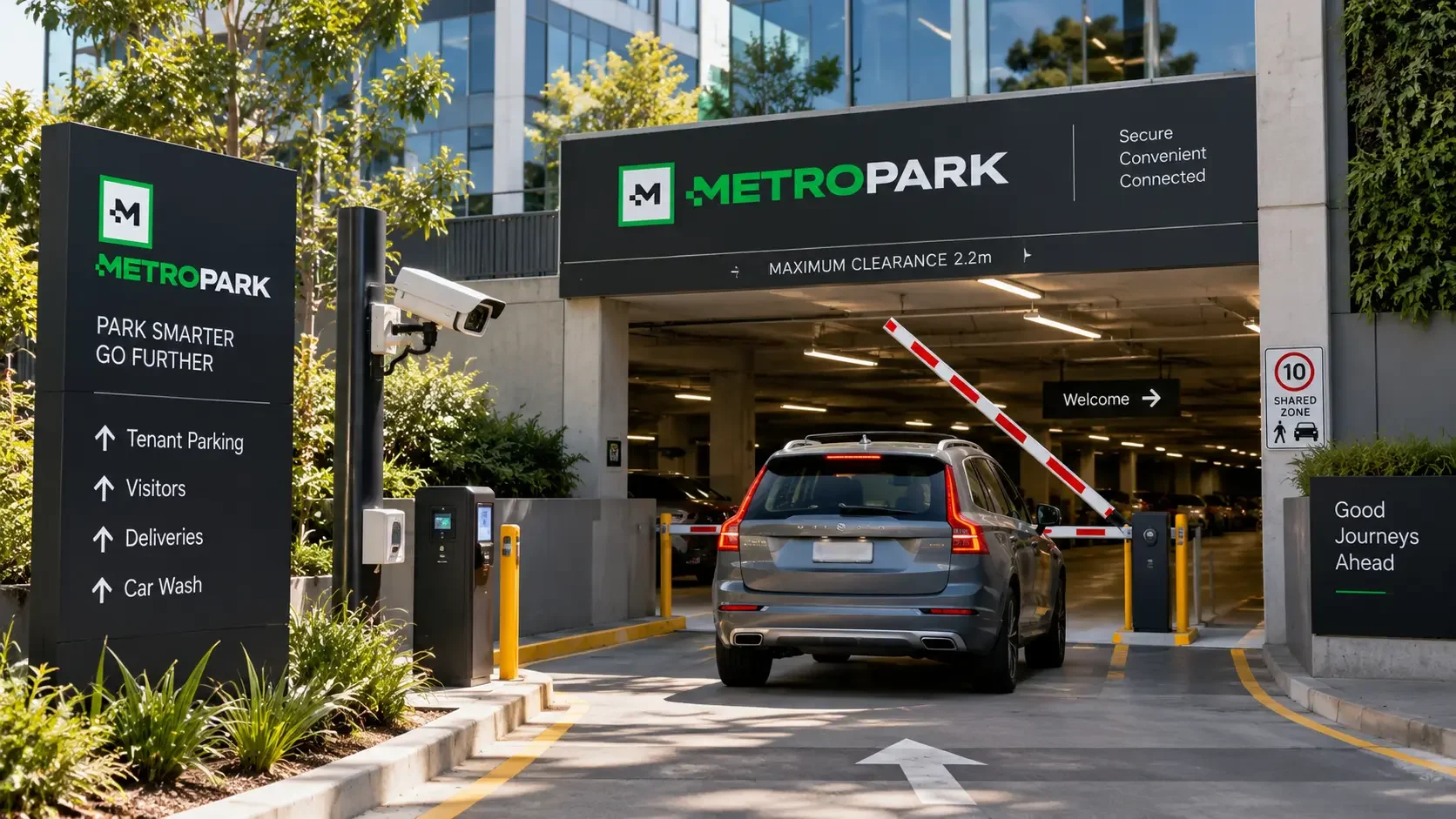
The read point is positioned around lane geometry, distance, vehicle speed and traffic conditions.
A suitable LPR/ANPR camera captures the vehicle and plate under the designed conditions.
Recognition software locates the plate and converts the characters into machine-readable information.
The recognised plate can be compared with authorised, restricted or temporary lists where supported.
The event can be recorded, presented to an operator or used to trigger an integrated action, depending on the selected architecture.
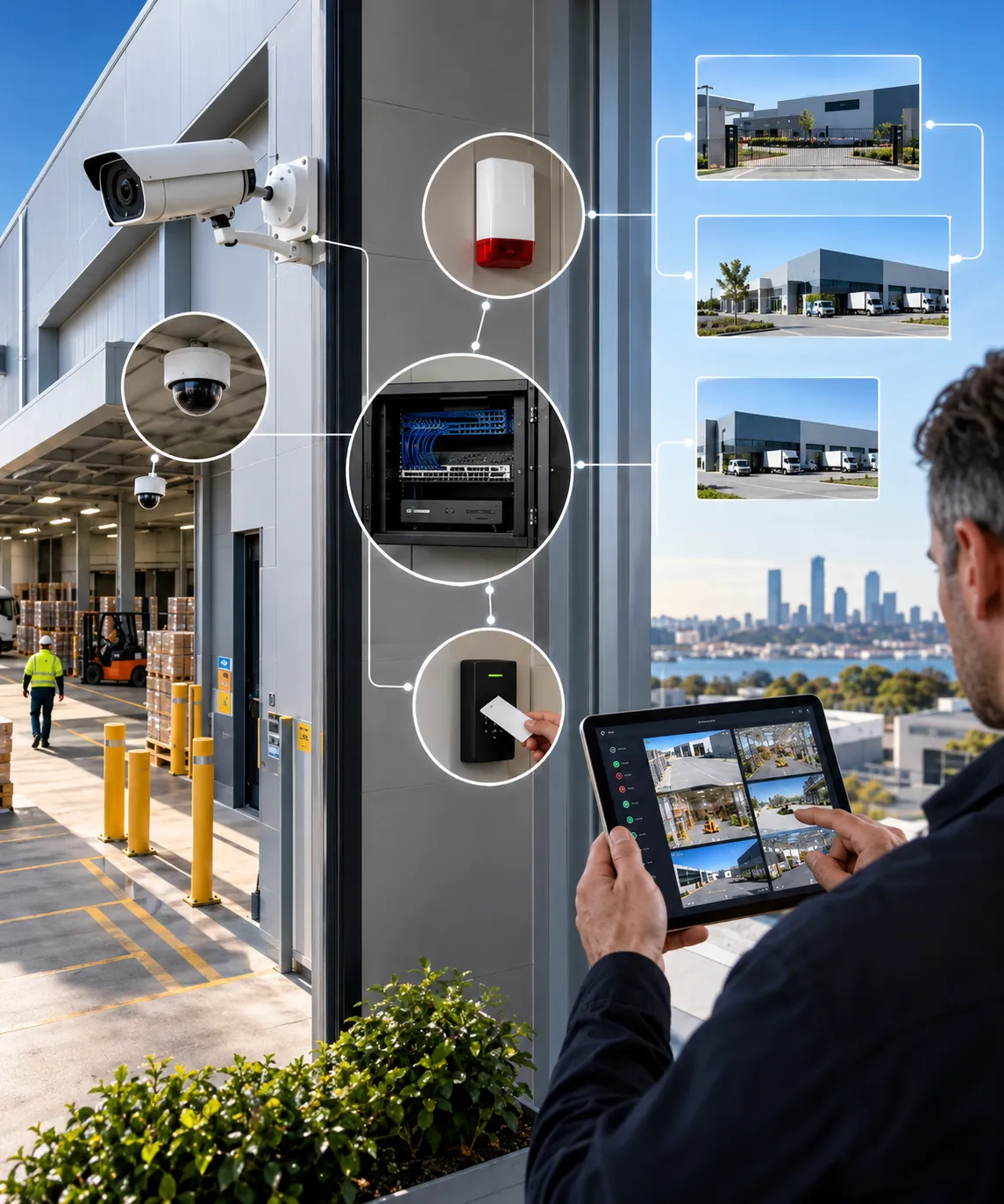
A commercial licence plate recognition deployment may combine imaging hardware, recognition software, event management, lists or databases, networking, storage, CCTV/VMS integration, access-control interfaces and operator workflows.
Captures the vehicle and plate at the required read point.
Processes the image and extracts plate characters into searchable event data.
Stores or indexes events where supported so vehicle activity can be searched and reviewed.
Applies authorised, restricted or temporary vehicle logic where the platform supports it.
Adds broader visual context and associated footage around a vehicle event where integrated.
Can use a recognised vehicle event as an input to controlled entry where compatible systems support the integration.
ANPR becomes more useful when vehicle events can sit alongside the other security systems operating around the site. Integration depends on the capabilities of the selected platforms.
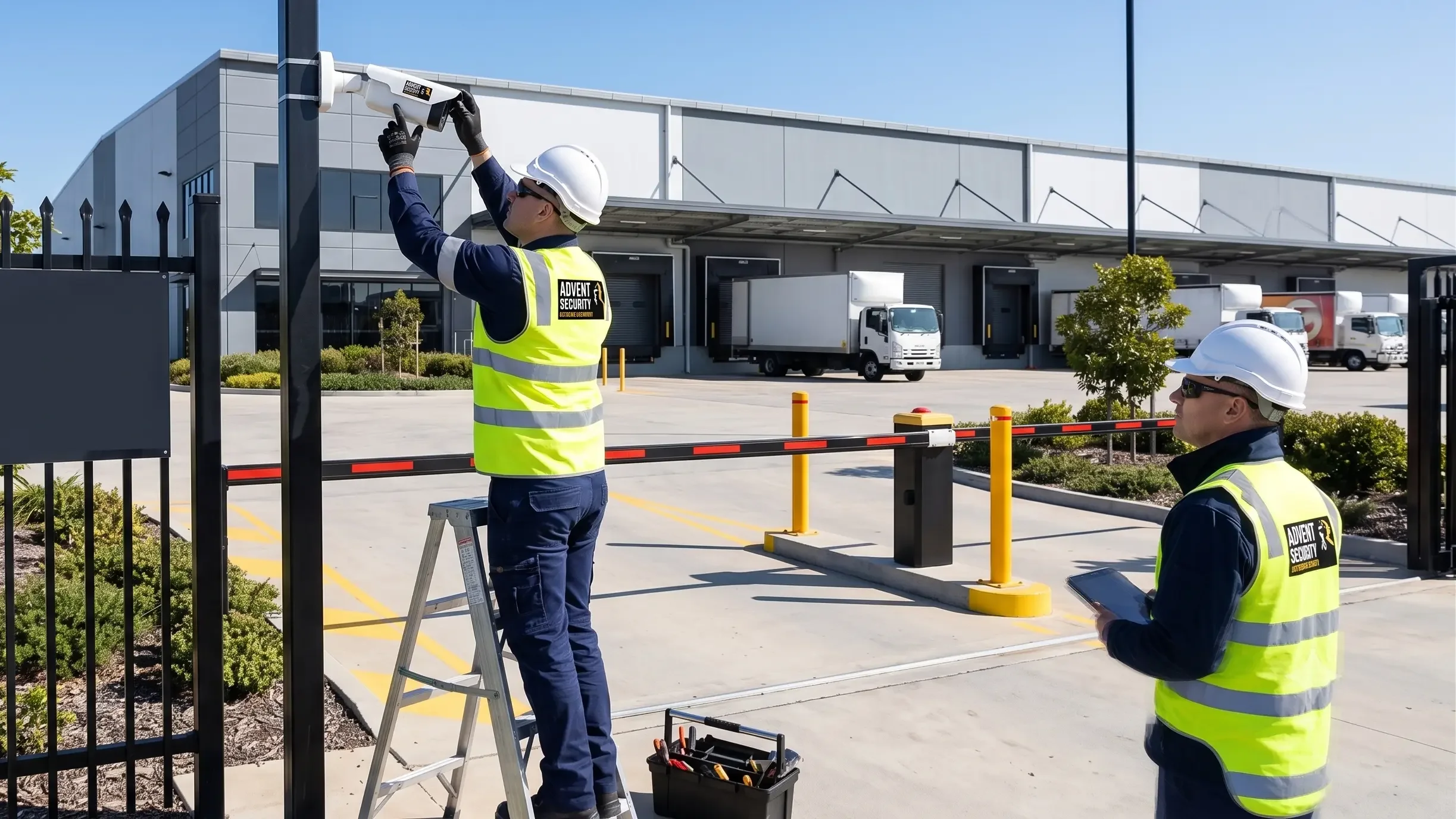
The camera needs to be selected and positioned around the actual vehicle scenario. Distance, angle, speed, lighting, weather and lane geometry can all affect recognition performance.
Assess horizontal and vertical viewing angles at the intended read point.
Confirm the plate occupies enough of the image for the selected recognition system.
Consider actual traffic speed and capture requirements for moving vehicles.
Review daylight, darkness, headlights, shadows and reflective plates.
Consider lane layout, turning paths and whether dedicated lane capture is required.
The use case changes with the site. ANPR can support vehicle identification, access decisions and event review where the selected solution is appropriate.
Vehicle entry, contractor movements, loading areas and fleet or depot activity.
Entry and exit records, permit-holder access and selected parking workflows.
Authorised vehicle access, visitor vehicle context and controlled entrances.
Contractor vehicle access and event records at changing site entrances.
Restricted vehicle zones, operational entry points and investigation support.
Parking workflows, vehicle event logging and selected service or tenant access.
Vehicle identification at defined sensitive entry and exit points, subject to site requirements.
Vehicle movement visibility where lane geometry and capture architecture are suitable.
An existing system may be suitable for an ANPR upgrade, but compatibility depends on the cameras, VMS, image quality, processing capability, network, read-point geometry and required LPR functionality.
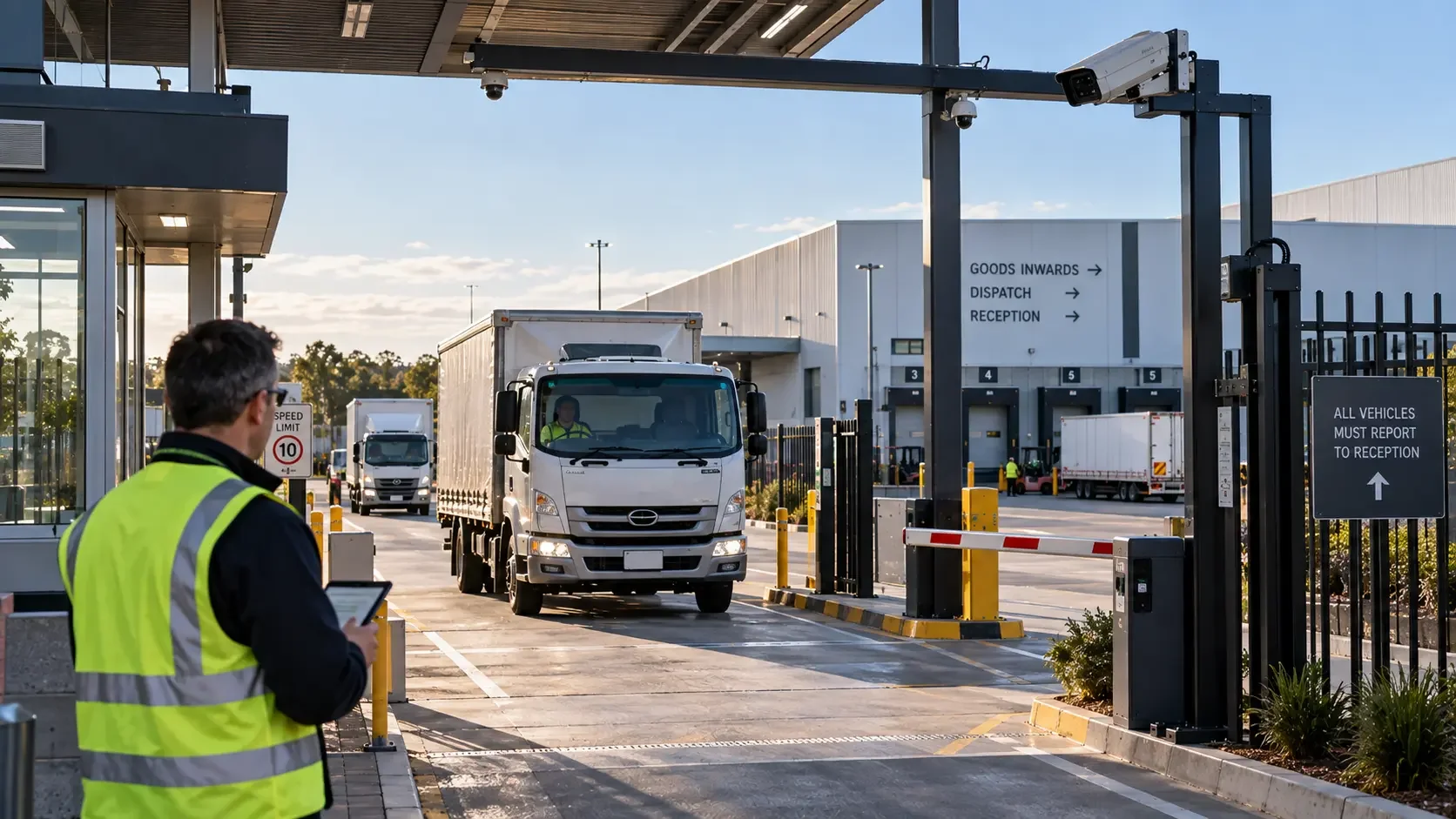
Review existing cameras, VMS and image quality.
Check whether the current vehicle entry geometry suits plate capture.
Assess processing, network and storage requirements.
Identify equipment that may be retained where suitable.
Review CCTV, access-control and barrier integration.
Set a practical upgrade or replacement pathway.
The installation process should follow the vehicle flow and security objective rather than forcing the property into a standard camera package.
Understand lanes, speed, operating hours, existing systems and objectives.
Define read points, capture equipment, rules and integration requirements.
Install and configure the selected cameras, processing and connected systems.
Validate reads and integrations under representative site conditions.
Maintain and refine the system as the site’s requirements change.
Start with your site layout, traffic flow, existing infrastructure and security objectives.
ANPR stands for Automatic Number Plate Recognition. It captures and recognises vehicle number plates and turns the result into structured event data.
Licence Plate Recognition (LPR) uses cameras and software to capture and recognise vehicle number plates. ANPR is the common Australian industry term for the same general technology.
A suitable camera captures the vehicle and plate, recognition software processes the image and extracts the characters, and the resulting event can then be recorded, searched, matched or used for a configured action.
Standard CCTV is generally designed for wider-area surveillance. ANPR capture is designed around the plate read point, with camera position, optics, distance, speed and lighting selected for the required recognition scenario.
It can where the selected ANPR, access-control and boom-gate systems support the required integration. A recognised authorised plate can be used as an input to a configured access rule.
Yes, where the selected platforms support the integration. ANPR can provide vehicle-event information while CCTV provides broader visual context and associated footage.
Suitable ANPR systems can be designed for night operation, but performance depends on camera selection, infrared capability, vehicle speed, lighting, angle, plate characteristics and scene conditions.
There is no single accuracy figure that applies to every deployment. Performance depends on technology, camera setup, vehicle speed, angle, lighting, weather, plate condition and configuration. Advent should validate the system under representative site conditions.
Potentially. Multi-lane coverage depends on lane geometry, vehicle speed, camera architecture and required read performance. Some sites may require multiple cameras or dedicated lane capture.
Sometimes. Compatibility depends on the cameras, VMS, image quality, processing capability, network, read-point geometry and required LPR functionality. A site assessment should be completed first.
There is no useful single price. Cost depends on lanes and cameras, camera/processing requirements, integration, networking, storage, software/licensing, installation and ongoing support.
Standard number plate recognition identifies the vehicle plate, not necessarily the person driving. Any separate driver or facial-identification capability would be a distinct technology with additional privacy and governance considerations.