
Bring the right security technologies together around the way your site operates. Advent Electronics designs integrated security systems that connect relevant CCTV, access control, alarms, analytics and vehicle-security capabilities into a coordinated security architecture.
The starting point is your site, risks, users, traffic and operational priorities — not a product list.
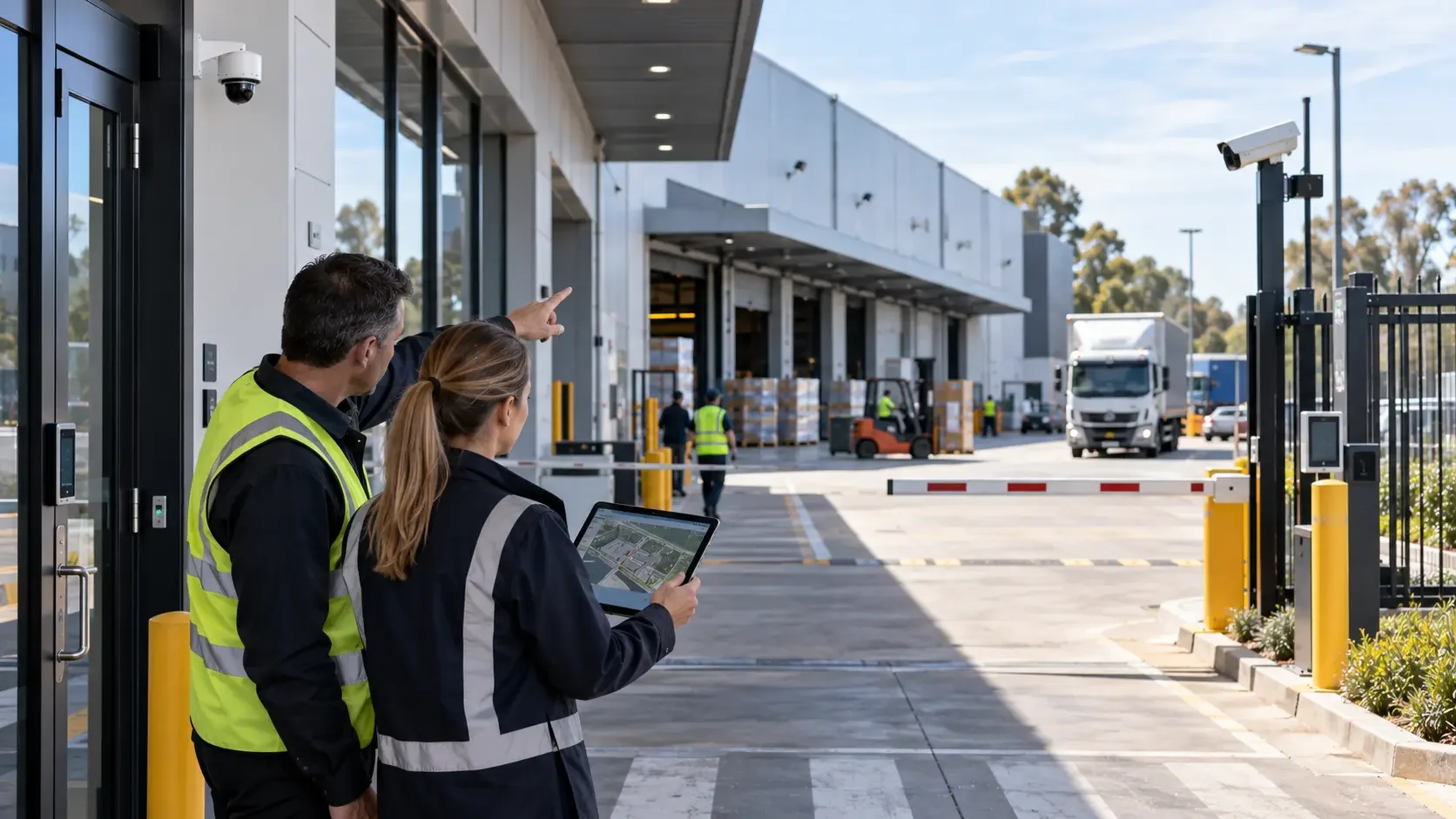
Most commercial security environments grow over time. A site may start with CCTV, then add access control, alarms, vehicle security or visitor management as its needs change. Each system can do its job well, but the real advantage comes when the right systems can share useful information.
Advent Electronics looks at those connections as part of the overall security design — so an access event can be understood alongside video, an alarm can be verified with the right camera view, or vehicle activity can be matched to the appropriate entry controls.
Integration is not about connecting everything. It is about making the selected technologies work together where doing so gives your team better information, clearer workflows or more practical control.
The right combination depends on the site. Advent can bring together the technologies that have a genuine role in your security workflow, without adding complexity for the sake of it.
Video coverage and recorded footage can provide the visual context needed to verify access, alarm or other security events where compatible systems support the workflow.
Manage authorised access to doors, restricted areas and other controlled points, with relevant events available to connected systems where supported.
Configured alarm events can trigger the appropriate alert or response workflow within a compatible security architecture.
Selected camera feeds can support automated detection or classification where the technology suits the site and the required use case.
Bring visitor, contractor and temporary-access processes into the wider security workflow, helping the site keep track of who is expected and where.
Where appropriate, licence plate recognition can work alongside vehicle access, monitoring and entry controls as part of a coordinated workflow.
Boom gates can provide a physical point of control within a wider vehicle-access arrangement, alongside the systems used to identify and authorise movement.
Remote management or monitoring capabilities may be available where the selected platform and service are designed to support them.
A well-planned integration starts with an event and follows it through the people, systems and actions that need to be involved.
A camera, sensor, access event or other configured input identifies something that needs attention.
Where the platforms support it, related video, access or event information helps establish what is happening.
An agreed rule, operator procedure or response workflow determines the appropriate next step.
The configured alert, access action, monitoring workflow or incident record is completed and retained as required.
The examples below show how separate security functions can add context to one another. The exact workflow is always determined by the site, selected systems and confirmed compatibility.
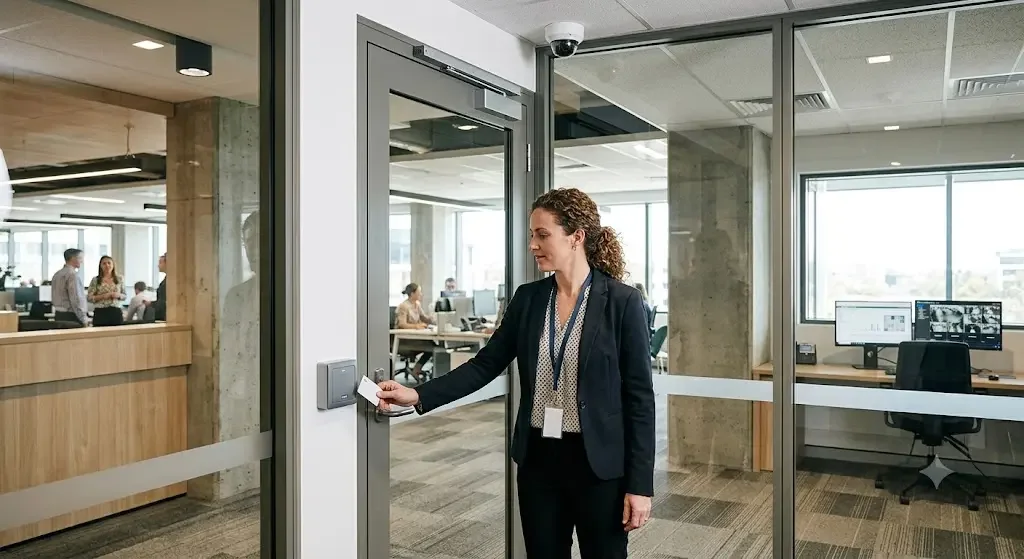
A credential is presented at a controlled entry point. Where the systems support the connection, the related camera view can help confirm who or what was at the door at the time of the event.
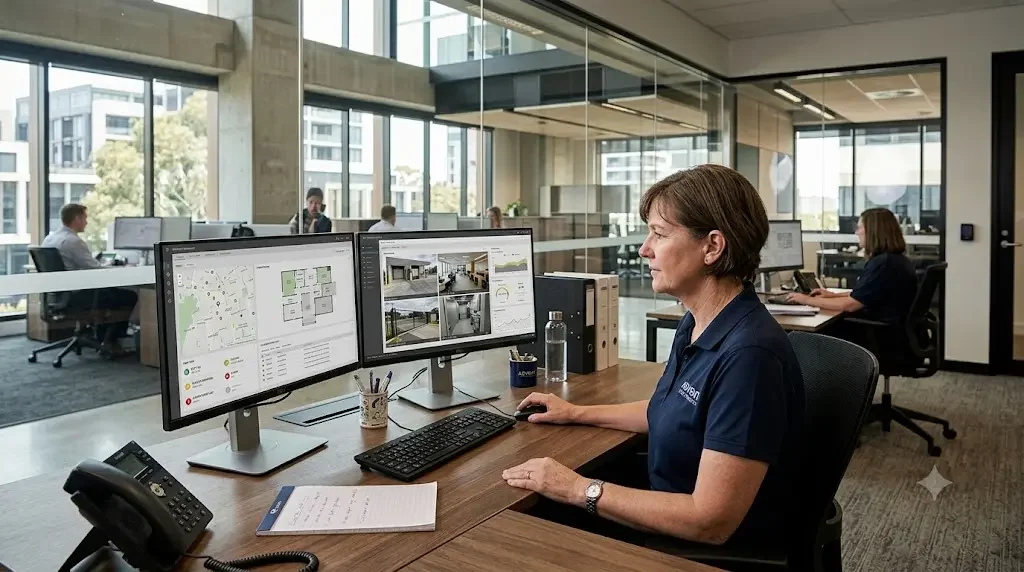
When a configured alarm event occurs, compatible camera information can help an operator assess the location and surrounding activity without having to piece the event together across separate systems.
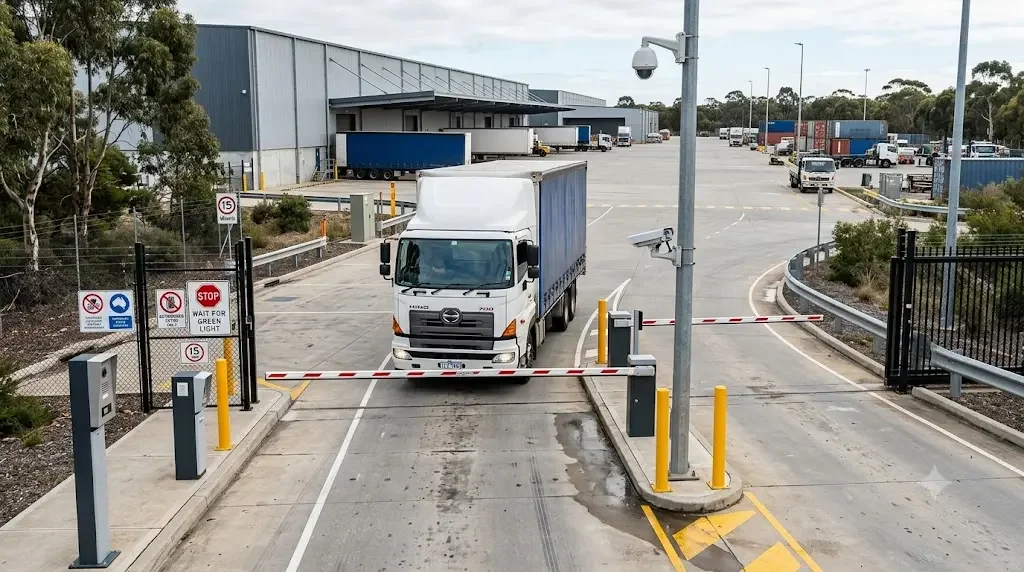
Vehicle identification, access control, boom gates and CCTV can be coordinated where supported, creating a clearer record of authorised vehicle movement through the entry point.
A connected security environment should make the site easier to understand and easier to manage — not simply add more equipment.
Bring relevant information together so operators can understand an event in context rather than checking several systems separately.
Where compatible systems support it, connect detection, verification and the agreed response workflow.
Coordinate access permissions with selected visitor and vehicle workflows to keep entry processes consistent.
Reduce duplicated tasks and give teams a clearer way to manage routine security activity.
Use available video, access and alarm records together to build a more complete picture of what happened.
Plan an architecture that can accommodate new users, sites or technologies as the organisation develops.
From the first site review through installation and ongoing support, each stage has a clear purpose and feeds into the next.
Understand the site, existing systems, risks and priorities.
Map the required workflows and develop a practical security architecture.
Confirm the equipment and platforms that suit the environment and agreed scope.
Deploy the infrastructure, hardware and system components.
Configure approved connections, events and operating workflows.
Test the system, alerts and agreed scenarios before handover.
Keep the environment maintained and plan sensible changes as requirements evolve.
Security requirements change with the way people, vehicles, visitors and operations move through a site. The integration strategy should reflect that reality.
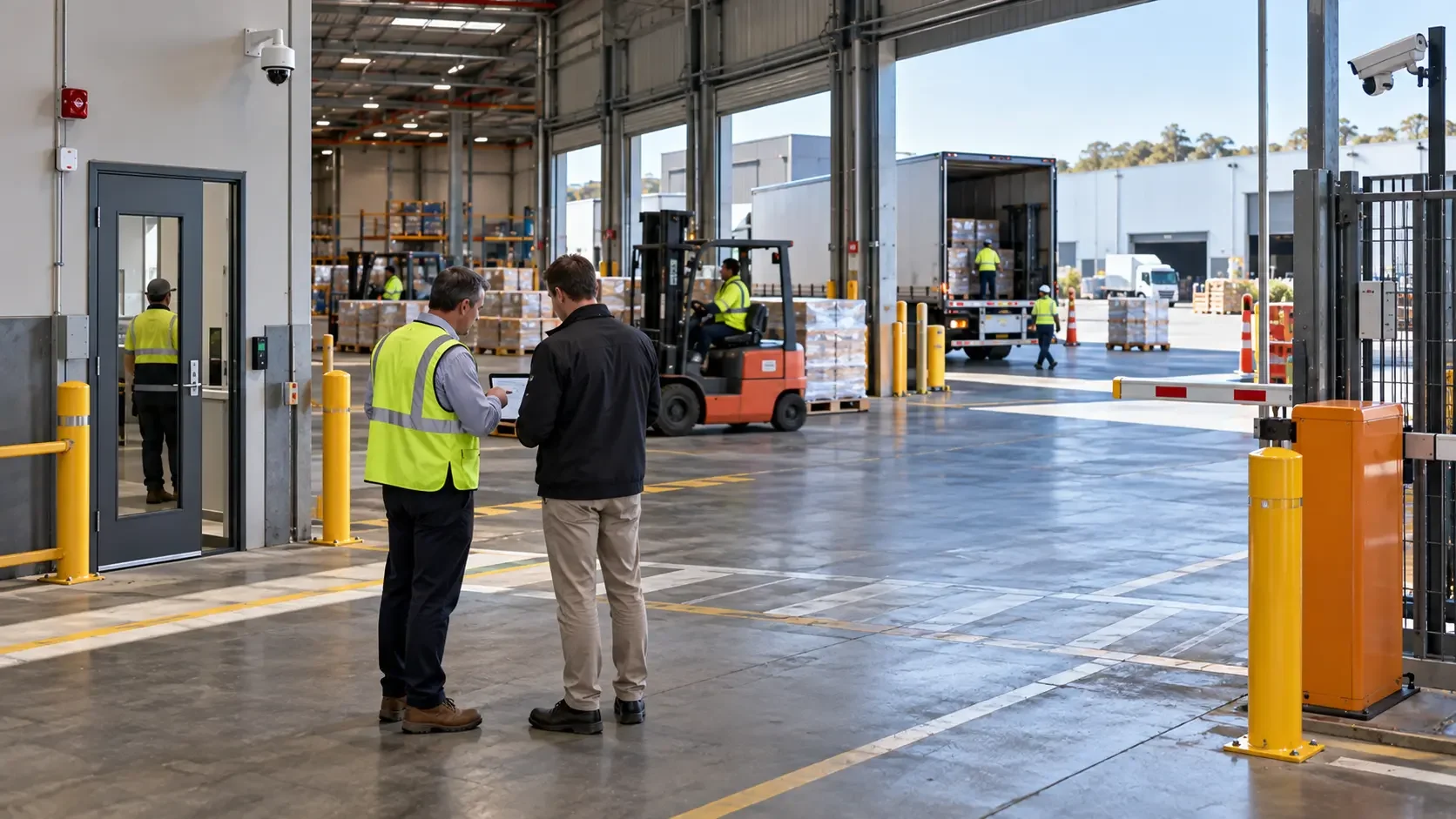
Coordinate perimeter visibility, vehicle movements, loading areas, staff access and contractor activity.
Bring together controlled entry, visitor management, CCTV and alarm workflows for day-to-day and after-hours security.
Support controlled access, staff and visitor movement, sensitive areas and clear incident visibility.
Build around restricted areas, controlled access, audit requirements and layered site visibility.
Coordinate customer areas, staff access, service areas, CCTV and selected security workflows.
Plan for controlled zones, perimeter security, access management and operationally critical areas.
Address perimeter, plant areas, staff access, vehicle movement and security-event visibility.
Create a consistent approach across locations while allowing each site to retain its own operational requirements.
An existing security system can often provide a useful starting point. A technical assessment can identify equipment worth retaining, areas that need upgrading and the connections needed to bring newer technology into the wider environment.
Advent Electronics combines long-term security experience with a practical understanding of commercial environments. The focus is on getting the architecture right for the site, then delivering and supporting it properly.
An Australian-owned family business established in 1990, with more than 36 years of experience across electronic security and commercial environments.
Advent operates with ISO 27001:2022 information-security certification, supporting a disciplined approach to information management.
Advent is an ASIAL member at Platinum Level, providing established industry recognition alongside its practical security-technology capability.
The work is planned as a complete lifecycle — understand the site, select what fits, install it properly, integrate the required systems and support the result.
Explore the specialist systems that can form part of a wider integrated security environment. Each page covers the individual capability in more detail.
Commercial video surveillance and recording
Controlled entry, credentials and door management
Configured intrusion and event detection
Automated analysis of selected video streams
Visitor and contractor workflows
Vehicle identification and compatible workflows
Controlled vehicle barriers
Remote management or monitoring where supported
Tell us how your site operates, what is already in place and where you want better coordination. We can help define a practical path forward.
They are security systems designed so relevant technologies, events and workflows can work together around a site’s operational and security requirements.
Standalone systems generally operate independently. An integrated architecture is designed so relevant technologies can share information or support connected workflows, where the selected platforms allow it.
Common technologies include CCTV, access control, alarm systems, video analytics, visitor management, licence plate recognition, boom gates and cloud-based management. The right combination depends on the site’s risks, operating model and existing infrastructure.
Yes, where the selected platforms support the required integration. A common workflow is to associate an access or alarm event with relevant CCTV footage so operators can obtain additional context.
Often, yes. A technical assessment can determine which existing components are compatible, which need upgrading and where new infrastructure or replacement equipment is required.
Yes. Multi-site environments can benefit from consistent architecture, centralised administration or monitoring where supported, and common operating procedures. Each site still needs to be assessed for its own layout, risks and technology requirements.
There is no meaningful single price. Cost depends on site size, technologies, infrastructure, integrations, number of locations, installation complexity, configuration and ongoing service requirements. A site assessment is the appropriate basis for a project-specific scope.
Potentially. Compatibility should be assessed before a project is scoped. Some existing equipment can be retained while other components may need replacement to achieve the required integration.
The first step is a site and requirements assessment. This establishes the operating environment, existing systems, security priorities, integration opportunities and practical constraints before the solution is designed.